Industrial and drilling augers
Prepare a geometry and trial brief for heavy-duty flight requirements.
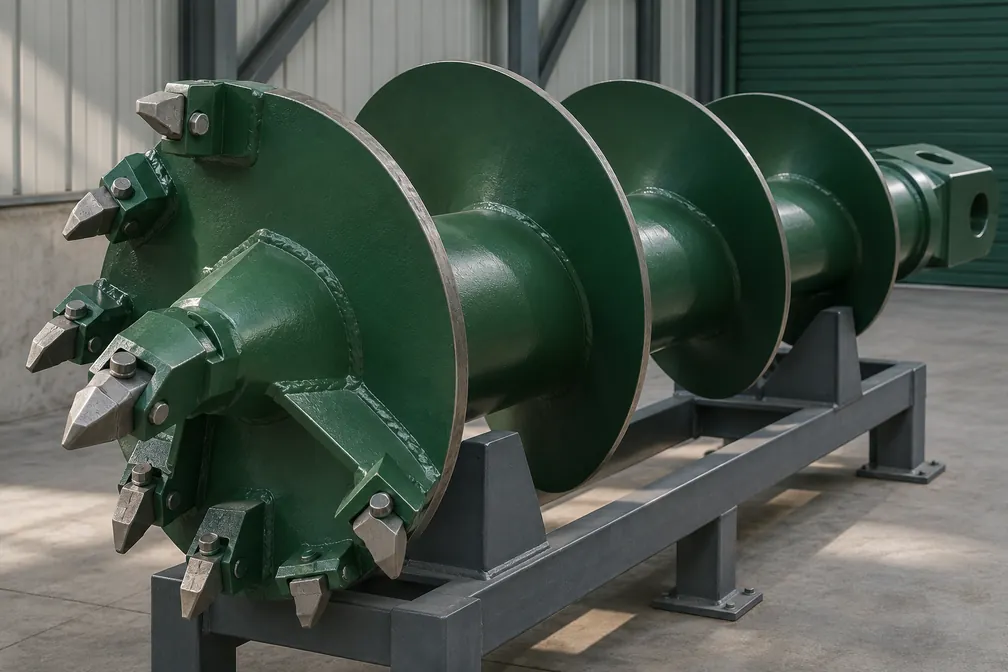
Confirm material and trial conditions
State the requested grade and thickness, identify the critical fit, and ask for a trial on the intended material before treating the configuration as proven.
Define the duty and geometry
Supply the drawing, grade, material thickness, pitch and any wear or weld allowance. The application alone does not establish machine suitability.
Ask for a representative trial
Select the demanding grade and geometry for the trial and agree measurable acceptance criteria. Compare the results with the same drawing revision.
Continue your review
Review flight types Check machine selection Prepare dimensions and a trial blank Review HT160 sectional forming
Compare forming processes · Prepare an RFQ
Guides for this application
Machine trial and factory acceptanceAgree what to test and measure before approving an equipment order.Check screw flight dimensions and materialGive engineering and purchasing one consistent drawing reference.
Machine families
Models to review
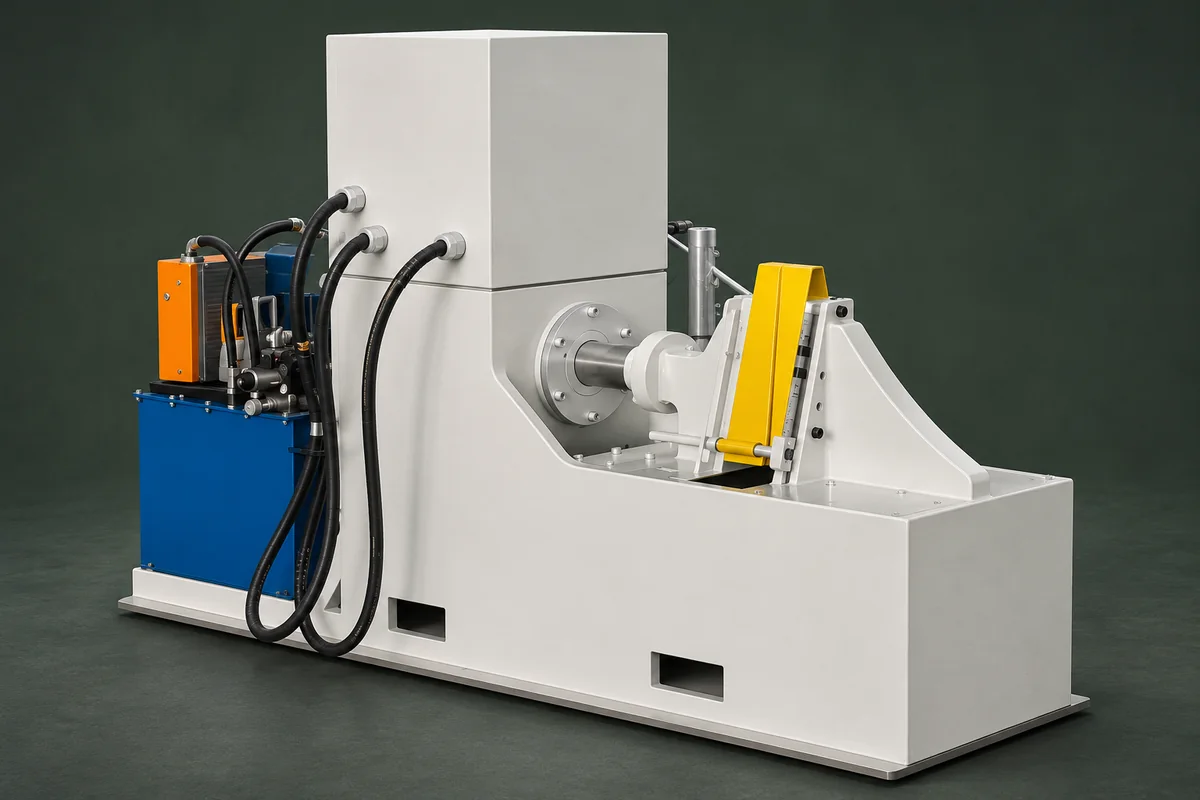 HT160 screw flight forming machineForm individual screw flight sections for conveyor and auger fabrication. Review the HT160 catalogue limits and confirm your workpiece, die, and acceptance criteria.HT280 screw flight forming machineHT280 forms individual screw flight sections for conveyor and auger fabrication. Screen your drawing against the catalogue thickness of 2–45 mm and pitch of 240–900 mm, then confirm the die and combined workpiece limits.HT320 screw flight forming machineHT320 forms individual screw flight sections for conveyor and auger fabrication. Screen your drawing against the catalogue thickness of 2–70 mm and pitch of 240–900 mm, then confirm the die and combined workpiece limits.