Screw conveyor manufacturing
Review flight fit and repeatability for OEM and fabrication jobs.
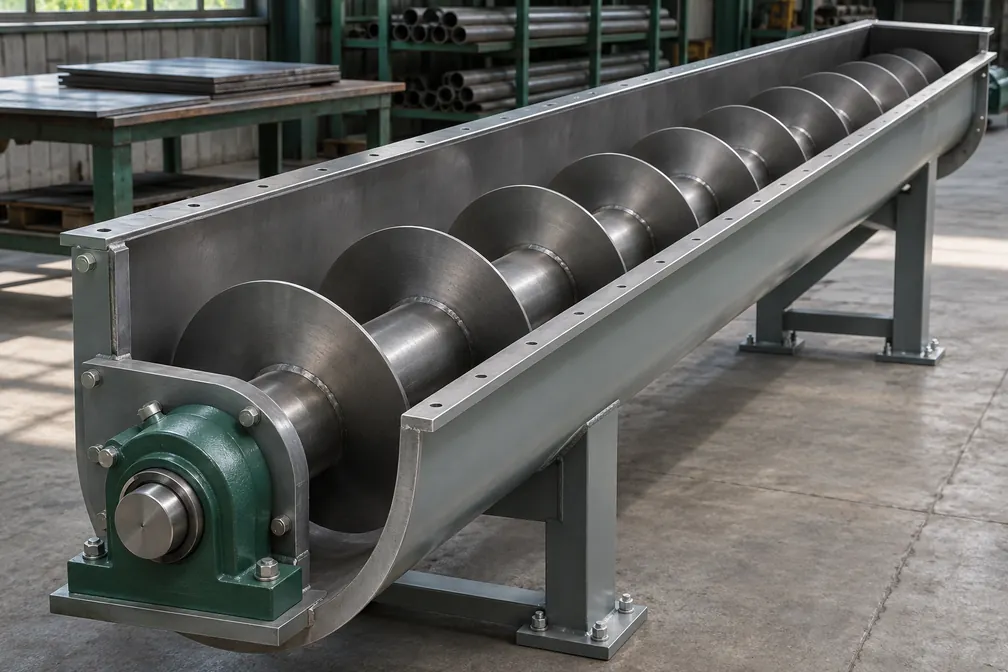
Specify the mating assembly
Provide shaft diameter, flight outside diameter, required pitch and fit-up tolerances. Clarify where separate segments or a continuous flight are required.
Compare sectional and continuous output
Check whether the drawing uses separate flights fitted to the shaft or a continuous helicoid. Review joint locations, shaft fit and the flight pitch sequence before comparing process routes.
Prepare the assembly and trial information
Provide the shaft fit, inlet and discharge constraints if relevant to flight geometry, material and batch quantity. Agree where OD, ID and pitch are measured.
Continue your review
Review flight types Check machine selection Prepare dimensions and a trial blank Review HT160 sectional forming
Compare forming processes · Prepare an RFQ
Guides for this application
Sectional and continuous screw flightsStart with the finished flight and the drawing before comparing forming machines.Choose tooling for screw flight formingMatch the forming die, rolls or mandrel to the workpiece before approving a machine configuration.Plan and check a sectional screw flight blankUse finished geometry as a reference and validate blank dimensions on a formed trial piece.
Machine families
Models to review
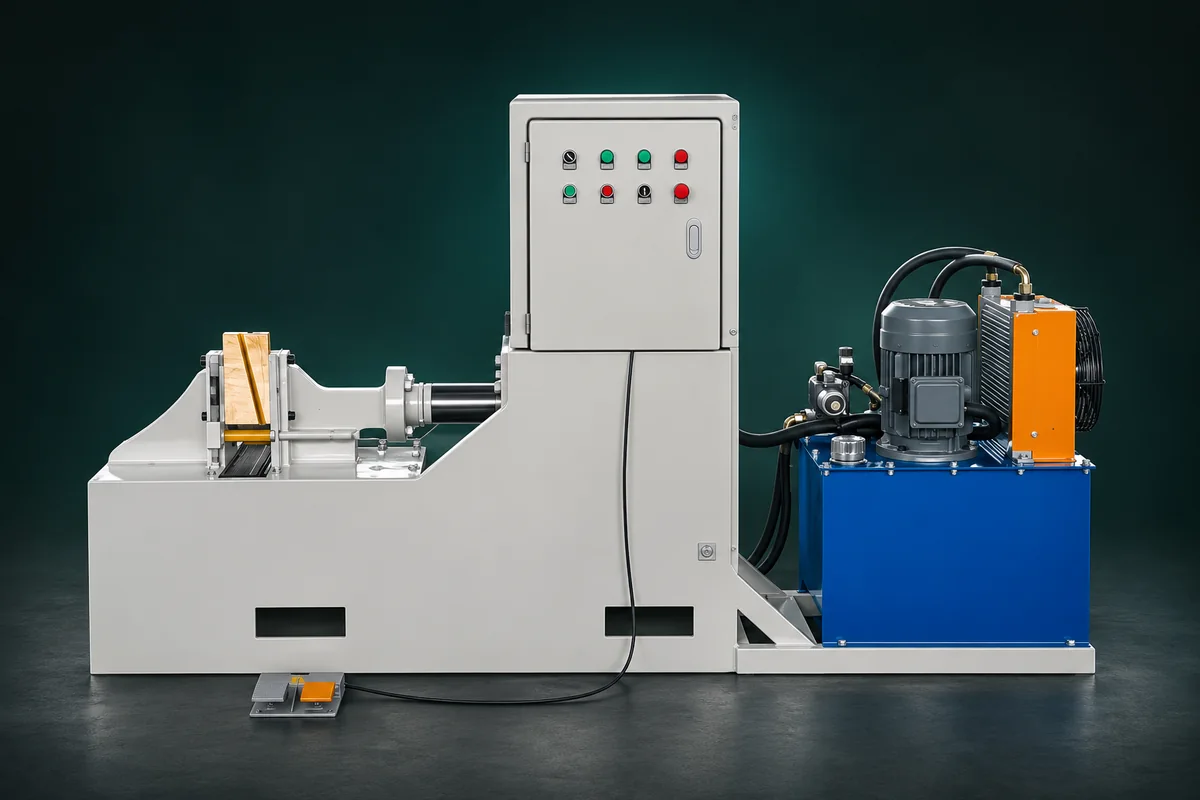 HT130 screw flight forming machineHT130 forms individual screw flight sections for conveyor and auger fabrication. Screen your drawing against the catalogue thickness of 2–16 mm and pitch of 100–500 mm, then confirm the die and combined workpiece limits.
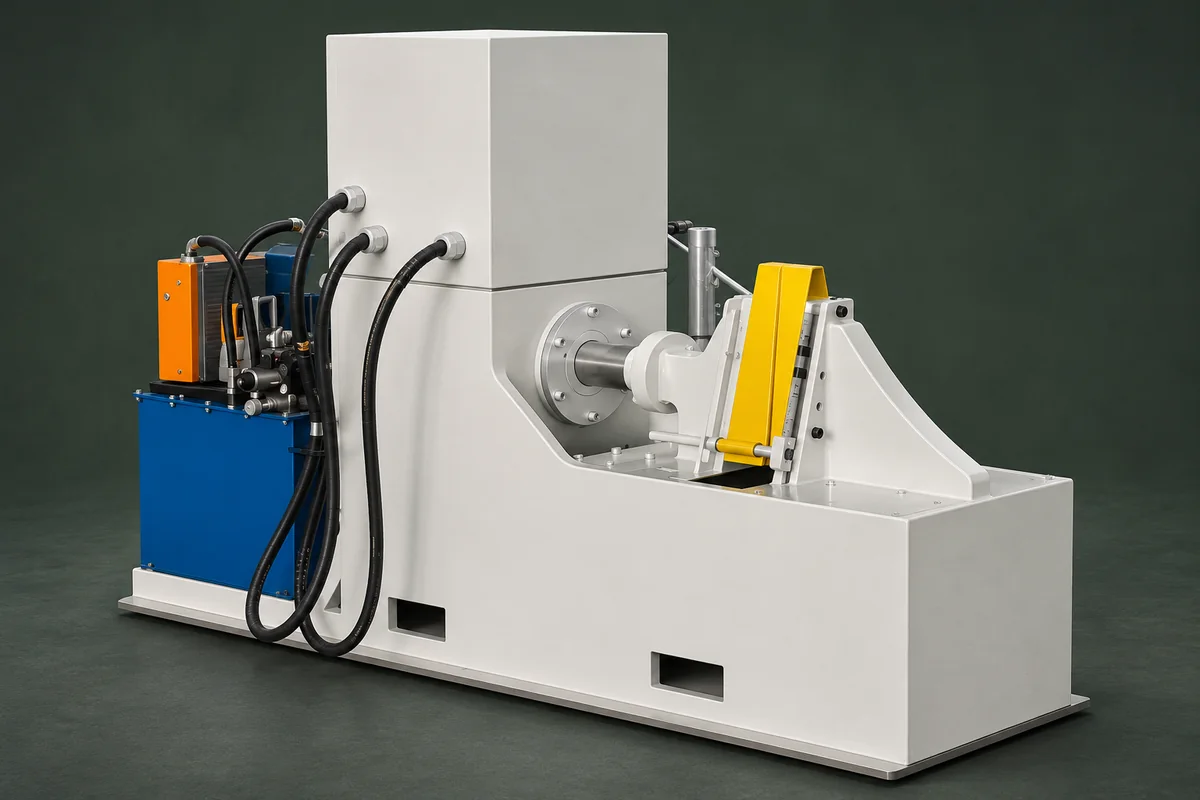 HT160 screw flight forming machineForm individual screw flight sections for conveyor and auger fabrication. Review the HT160 catalogue limits and confirm your workpiece, die, and acceptance criteria.
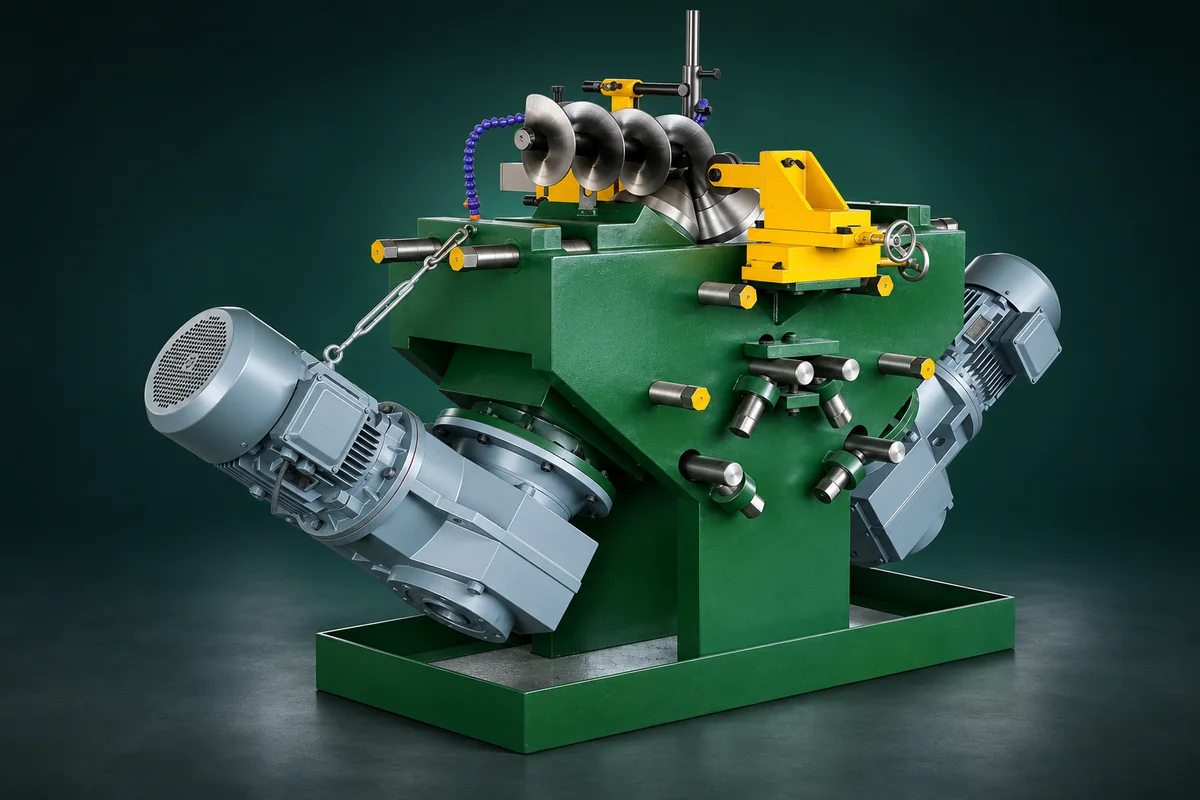 HT120-6 continuous flights formerHT120-6 continuous cold rolling former for SPHC steel strip. Review catalogue ranges for strip width, thickness, rolled diameter and pitch before requesting a trial.